Planning Your Week Using AI Without Feeling Overwhelmed
A calm approach to weekly planning with AI assistance that creates structure without adding stress.
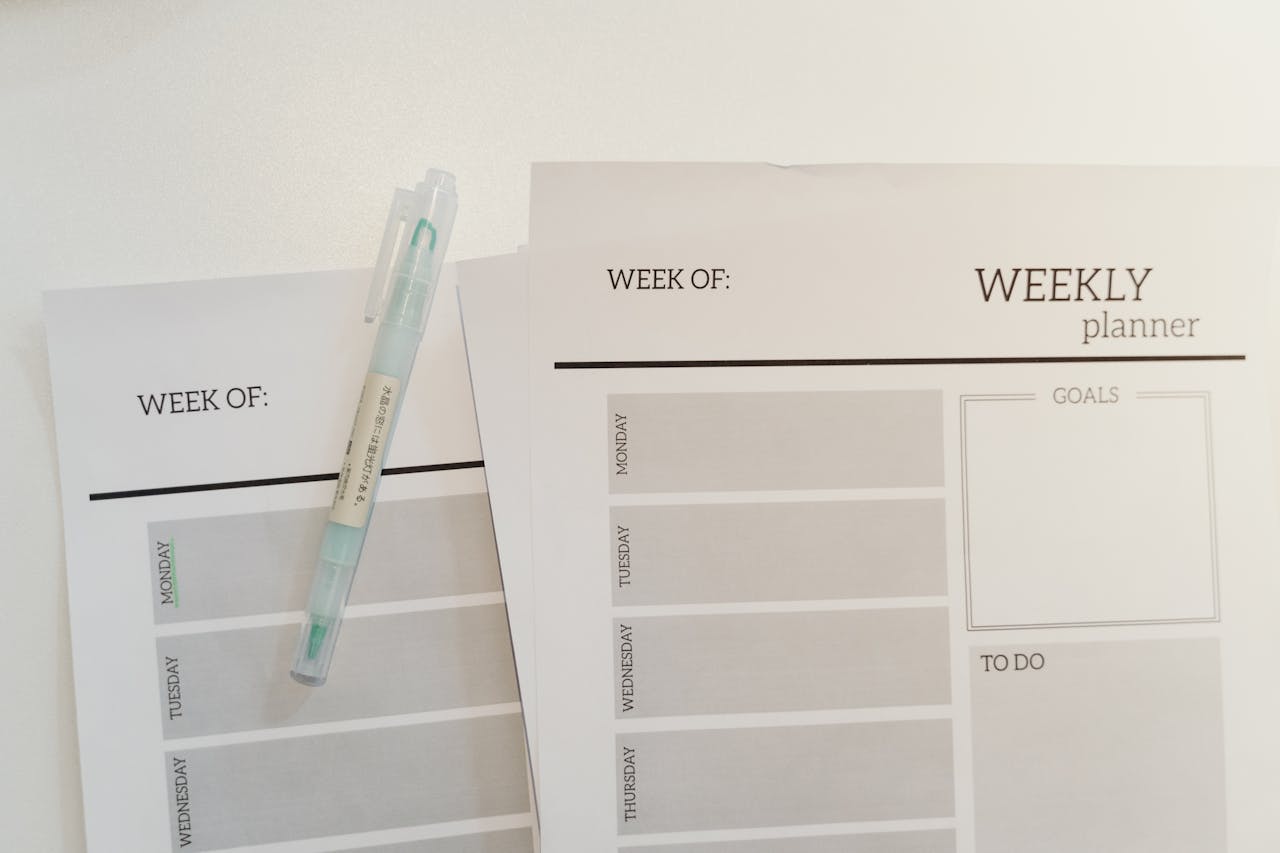
Weekly planning helps manage competing demands without the chaos of reacting to whatever feels most urgent. But planning itself can become overwhelming when you face too many commitments and not enough time.
AI can assist with weekly planning in ways that reduce rather than add to your mental load. This guide covers a practical approach that creates useful structure without elaborate systems.
Why Planning Often Fails
Most planning failures come from trying to fit too much into limited time. Plans that look reasonable on paper fall apart when actual tasks take longer than expected and unexpected demands appear.
Another common failure is planning at the wrong level of detail. Too detailed becomes rigid and breaks at first contact with reality. Too vague provides little actual guidance for decision making.
AI helps with both problems. It can reality check your plans against typical time requirements and help you find the right level of detail for useful guidance without excessive rigidity.
Gathering What Needs Attention
Start by listing everything competing for your time in the coming week. Include fixed commitments, flexible tasks, ongoing projects, personal needs, and anything else requiring attention.
Do not filter at this stage. Write down everything, even things you know you cannot get to. This complete picture matters for making realistic decisions about priorities.
Share this list with AI and ask for help categorizing by urgency and importance. AI can help distinguish between things that must happen this week, things that should happen soon, and things that can wait. Being specific in your requests produces better results, as explained in our guide on communicating clearly with AI.
This categorization often reveals that fewer things are truly urgent than the overwhelm suggests. Seeing everything organized reduces the feeling of being buried.
Setting Realistic Expectations
AI helps reality check how much you can actually accomplish. Describe your available time and the tasks you hope to complete. Ask whether this seems realistic.
Be honest about your available hours. Account for meetings, commute time, meals, breaks, and the unexpected interruptions that happen every week. Most people overestimate available time significantly.
Many people underestimate how long tasks take. Ask AI for typical time estimates for similar tasks. If you think something will take an hour but typical estimates suggest three, you need to adjust either the task or your expectations.
The goal is a plan you can actually execute rather than an aspirational list that creates failure and stress.
Identifying Priorities
With a reality checked view of capacity, you can make better decisions about what matters most. Not everything on your list can happen this week, and that is acceptable.
Ask AI to help identify the highest impact items given your goals and constraints. What moves important projects forward? What prevents problems from getting worse? What aligns with your longer term objectives?
Consider consequences of delay for each item. Some things become harder or more problematic if postponed. Others can wait without meaningful consequences. This helps distinguish true priorities from noise.
Accept that some things will not happen this week. Consciously deciding to defer items feels different from failing to get to them. Make deliberate choices about what waits.
Creating a Workable Structure
Rather than scheduling every hour, create blocks of time for different types of work. This provides structure without the brittleness of minute by minute plans.
Ask AI to suggest a weekly structure based on your commitments and priorities. Include blocks for focused work, meetings, administrative tasks, and buffer time for the unexpected.
Buffer time matters more than most people realize. Unexpected demands always appear. Building slack into your structure prevents one delay from cascading through your entire week.
Review the suggested structure against your actual patterns. When are you most focused? When do interruptions typically happen? Adjust the structure to match how your time actually works.
Breaking Down Large Tasks
Tasks that feel overwhelming often stay undone because you do not know where to start. AI helps break these into manageable pieces.
Describe a task that has been stuck and ask for it to be broken into smaller steps. The result should be concrete actions you can take rather than vague subtasks that feel equally overwhelming.
First steps matter especially. Identify the specific next action for important tasks. What would you actually do if you sat down to work on this? That concrete action is what goes on your plan.
Smaller steps also make time estimation more accurate. Vague large tasks are hard to estimate. Specific small steps fit into available time more reliably.
Handling Recurring Responsibilities
Weekly recurring tasks benefit from routines rather than fresh decisions each time. AI can help design routines that handle these responsibilities efficiently.
List your regular weekly commitments and maintenance tasks. Ask AI to suggest when during the week these fit best given your other priorities and energy patterns.
Batching similar tasks often improves efficiency. Grouping administrative work, errands, or communications into dedicated times prevents constant context switching.
Once routines are established, they require less mental energy. The decision about when to handle recurring tasks is made once rather than repeatedly.
Adjusting Throughout the Week
No weekly plan survives contact with reality unchanged. Building in regular adjustment points keeps your plan useful rather than abandoned.
Brief check ins at the start or end of each day take only minutes. Review what happened, adjust for changes, and set intention for the next period. This keeps your plan current.
When unexpected demands appear, make conscious tradeoffs. Something needs to move if something new needs time. Decide what rather than trying to squeeze everything in.
Ask AI to help reprioritize when significant changes occur. Describe what has changed and get suggestions for adjusting your remaining week. This is faster than rethinking everything from scratch.
Avoiding Common Pitfalls
Some planning approaches consistently fail. Knowing these helps you avoid them.
Filling every available minute guarantees failure. Tasks expand, interruptions happen, and plans without margin collapse quickly. Always plan less than your theoretical capacity.
Planning in isolation ignores dependencies on others. Consider what requires coordination, responses, or input from others. These constraints affect when tasks can actually happen.
Overcomplicating the system creates its own burden. If maintaining your planning system takes significant time, simplify. The goal is useful guidance, not an elaborate management project.
A Simple Weekly Process
A practical weekly planning process needs just a few steps.
At the end of each week, spend fifteen minutes reviewing what happened and gathering what needs attention next week. List everything without filtering.
Use AI to help categorize, prioritize, and reality check your list. Identify the essential items and accept that others will wait.
Create a simple structure that blocks time for priorities while leaving buffer for the unexpected. Share the structure with AI to check for obvious problems.
Check in briefly each day to adjust for what actually happened. Use AI to help reprioritize when significant changes occur.
This lightweight process creates useful structure without becoming another source of overwhelm. The goal is a calmer week with better results, not a perfect plan you cannot maintain. For more approaches like this, explore our guide on simple AI workflows for everyday tasks.
Photo courtesy of Pexels