Why Short Prompts Often Work Better Than Long Ones
Understanding when brevity improves AI responses and how to say enough without saying too much.
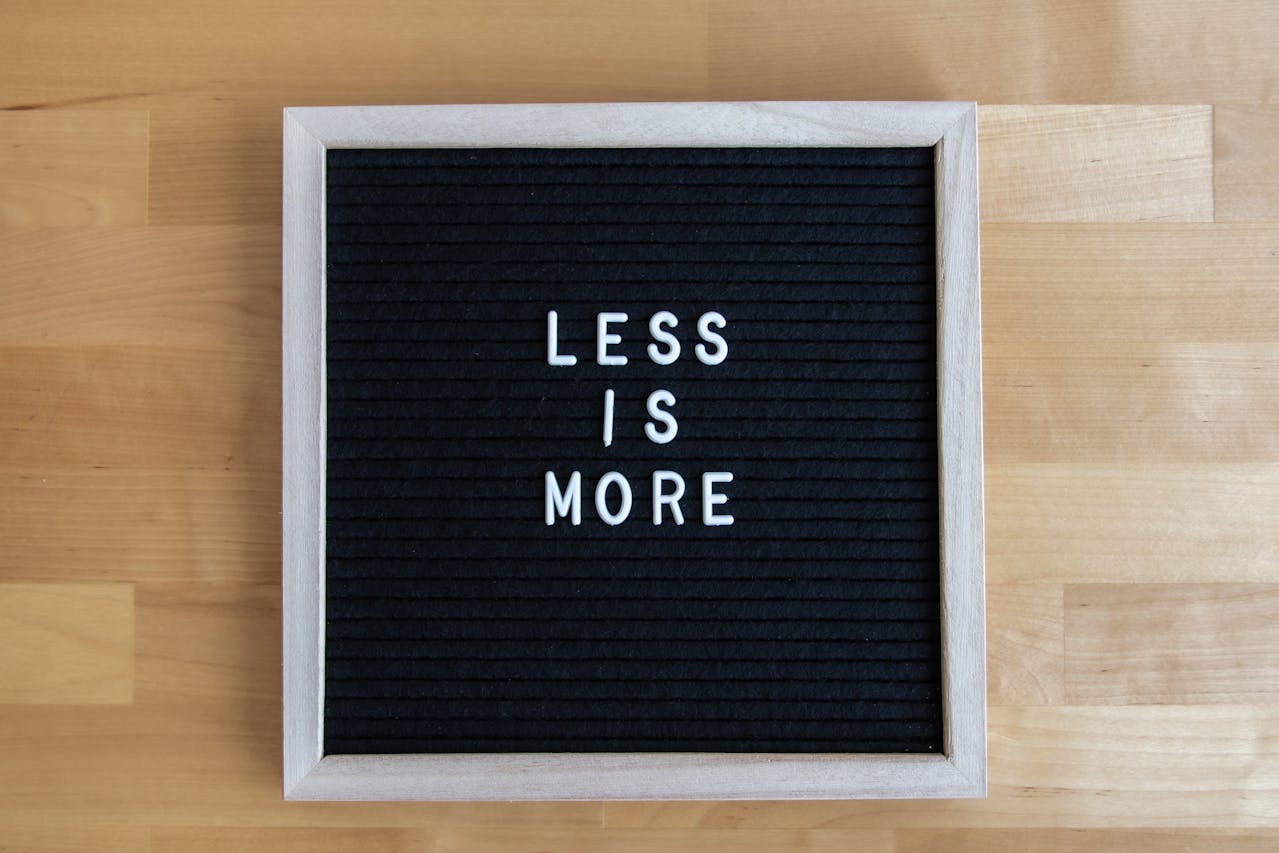
Longer prompts can seem more helpful. More words should mean more guidance. More detail should produce more precise results. Yet often the opposite happens. Long prompts produce worse responses than shorter ones.
Understanding why brevity often works better helps you craft prompts that are long enough without being too long. This guide examines when and why shorter prompts succeed and how to find appropriate length.
The Length Paradox
More words can mean less clarity.
Long prompts may contain contradictions. Different parts of extended instructions can conflict. AI has to reconcile inconsistencies somehow.
Long prompts dilute emphasis. When everything is important, nothing is. Key points get lost among minor ones.
Long prompts introduce noise. Extra words provide opportunities for misinterpretation. Ambiguity multiplies.
Long prompts may overconstrain. Too many specifications can box AI into poor responses when some flexibility would produce better ones.
Brevity avoids these problems. Short prompts have less room for contradiction, maintain focus, minimize noise, and allow appropriate flexibility.
When Short Works Best
Certain situations particularly favor brevity.
Clear, simple tasks. When what you want is obvious, elaborate prompts add nothing. Write a haiku about autumn needs no further instruction.
Well defined outputs. Standard formats like summaries, lists, or definitions have implicit structure. Describing that structure in detail is redundant.
Tasks AI handles well. Where AI capability is strong, less guidance is needed. Detailed instruction on routine tasks wastes words.
Iterative approaches. When you plan to refine through follow up, initial brevity lets you see what AI produces before steering.
The Sufficiency Standard
Prompts should be long enough to communicate your need. No longer.
Include what is necessary. Information without which the response would miss the mark.
Exclude what is unnecessary. Details that do not affect what a good response looks like.
The question: Would removing this change the response I want? If no, consider removing it.
Finding this balance takes practice but produces better results than defaulting to length.
What Long Prompts Get Wrong
Common ways excessive length backfires.
Explaining the obvious. Telling AI how to do things it knows how to do adds confusion, not clarity.
Anticipating problems that do not occur. Instructions for handling edge cases that never arise complicate unnecessarily.
Multiple levels of specification. Saying the same thing several ways introduces possibility of perceived conflict.
Including reasoning AI does not need. Why you want something often matters less than what you want.
Recognizing these patterns helps trim prompts to effectiveness.
The Focus Advantage
Short prompts concentrate attention.
One clear request gets focused attention. AI addresses your specific need directly.
Prioritized information stands out. When you include only what matters, what matters is obvious.
Clear structure emerges naturally. Simple prompts have simple structure. Complex prompts can have confused structure.
This focus often produces better results than comprehensive instruction.
When Length Helps
Sometimes longer prompts genuinely improve responses.
Complex tasks with multiple components. When you need several things done together, describing each is necessary.
Non obvious constraints. Limitations AI would not anticipate need explicit statement.
Specific formats AI would not default to. Unusual structures require description.
Context that changes appropriate responses. Background information affecting what good looks like justifies length.
In these cases, length serves purpose. The key is distinguishing necessary length from habitual verbosity. Context that matters is worth including.
Editing Toward Brevity
Shorter prompts often come from editing longer drafts.
Write your initial prompt as it comes to you. Get your thoughts out.
Review for redundancy. What says the same thing twice?
Review for unnecessary detail. What would not change the response?
Review for implied information. What would AI understand without being told?
Remove what these reviews identify. The remaining prompt is often more effective.
The Clarity Connection
Short prompts force clarity.
When you have few words, you must choose carefully. This choosing clarifies thinking.
Wordy prompts can hide vague thinking. Length substitutes for precision.
Forcing brevity forces you to know what you actually want. That knowledge transfers to clearer requests.
This discipline benefits your prompting generally, not just individual prompts.
Practical Experimentation
Test whether shorter versions work for your common requests.
Take a prompt you use that feels long. Create a version at half the length.
Try both. Compare results.
Often the shorter version produces equal or better responses. When it does, adopt it.
When shorter fails, analyze why. What necessary information was missing? That teaches what actually needs inclusion.
Examples of Effective Brevity
Seeing brief prompts in action illustrates their potential.
Instead of: I need you to help me write a professional email to my boss explaining that I will be unable to attend the meeting scheduled for Thursday because I have a doctor's appointment that I cannot reschedule, and I want to express my apologies for any inconvenience this may cause and ask if I can get a summary of what was discussed.
Try: Help me write a brief email to my boss apologizing for missing Thursday's meeting due to a doctor's appointment and asking for a summary.
The shorter version provides everything AI needs. The additional words in the first version add nothing useful.
The Iteration Alternative
Instead of frontloading all instruction, develop through conversation.
Start brief. See what AI produces.
Add specifics as needed. If the response misses something, guide in that direction.
Build incrementally. Final results emerge through conversation, not initial instruction.
This approach often produces better results than trying to specify everything upfront.
Finding Your Balance
Optimal prompt length varies.
By task. Some tasks need more guidance than others.
By AI tool. Different tools respond differently to prompt length.
By your style. Some people communicate more verbosely. Adjust from your natural tendency.
Experiment with your common use cases. Find what length works for how you use AI. Clear communication finds the right length for each situation.
Short prompts often work better because they focus attention, reduce confusion, and force clarity about what you actually want. This does not mean always be brief. It means be as brief as your need allows, and know that allowing is often more generous than you might expect.
Photo courtesy of Pexels